
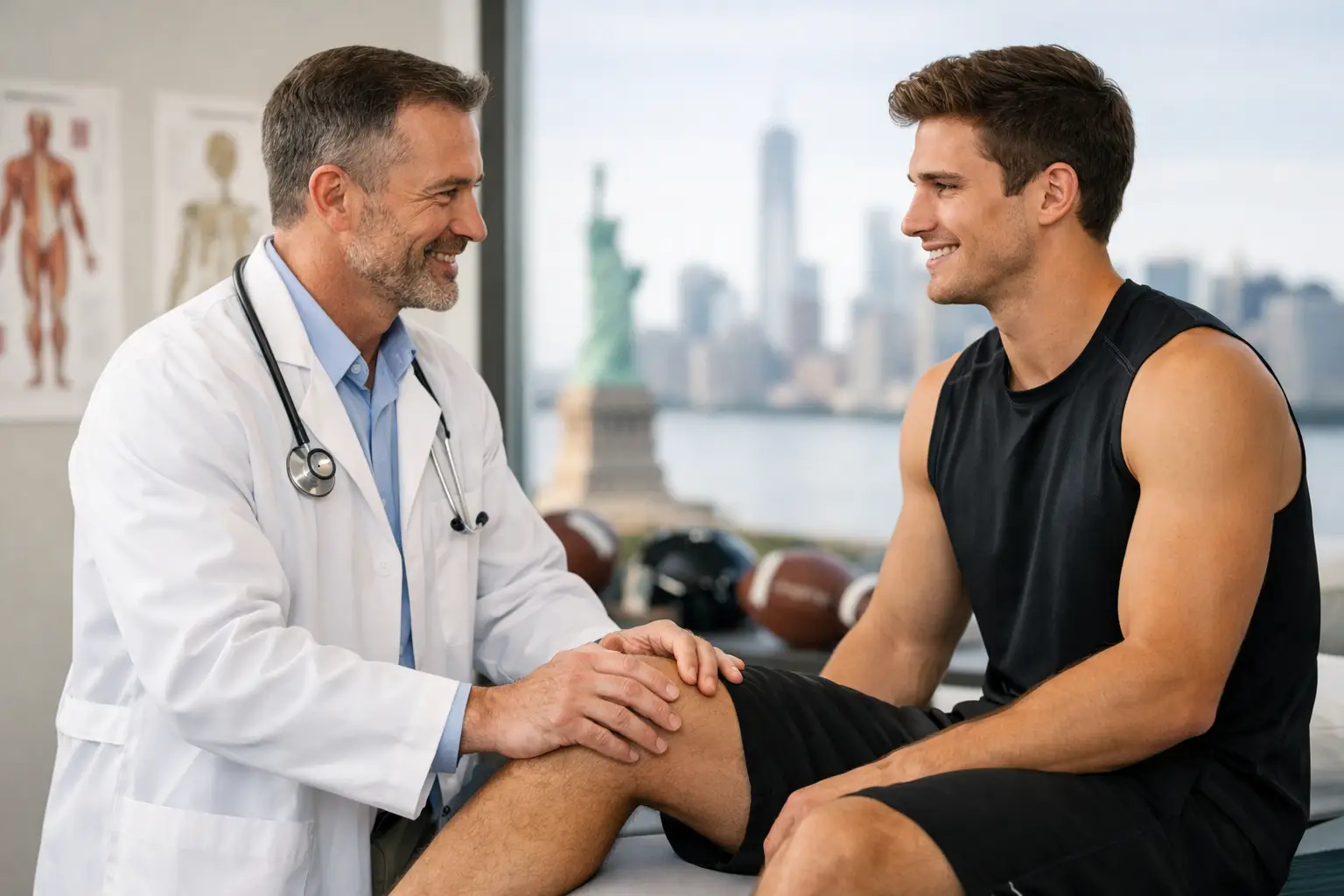
A knee that gives way during a pivot, a shoulder that catches on every serve, or pain that returns each time practice intensity rises can change far more than one game. Finding a sports medicine doctor New Jersey athletes and families trust means getting answers that account for both the injury and the activity the patient wants to resume. The goal is not simply to reduce pain. It is to restore safe, reliable movement for sports, work, school, and daily life.
For a high school athlete, an injury may affect a season, recruiting plans, and confidence. For an active adult, it may mean stepping away from a favorite workout routine or struggling with ordinary tasks. A sports medicine specialist can help define what is injured, what treatment is appropriate, and what a realistic return should look like.
When a Sports Medicine Specialist Makes Sense
Some injuries are clearly urgent, such as a fracture, a joint that appears out of place, or an inability to bear weight after a fall. Others are less obvious. An athlete may still be able to run, throw, or lift, but feel unstable, weak, or unable to perform at the same level. Continuing through those symptoms can sometimes turn a manageable problem into a more significant one.
A sports medicine evaluation is often appropriate when pain has not improved with rest, when swelling keeps returning, or when a joint feels loose, catches, locks, or gives way. It is also useful after an MRI has identified a tear but left patients wondering whether surgery is necessary. Imaging is valuable, but it is only one part of the decision. The findings need to be matched with the physical examination, symptoms, age, sport, position, training demands, and personal goals.
Shoulder injuries are a common example. A labral tear may be highly limiting for a baseball pitcher or volleyball player because of repetitive overhead motion, while another patient with a similar MRI finding may respond well to focused rehabilitation. The same principle applies to a meniscus tear, rotator cuff injury, or ACL injury. The right plan depends on the person, not just the scan.
What to Expect From a Sports Medicine Doctor in New Jersey
A thorough visit should begin with the story of the injury. How did it happen? Was there a pop, immediate swelling, numbness, or loss of motion? What movements trigger symptoms? Has the athlete tried physical therapy, bracing, medication, or activity modification? These details help distinguish between conditions that can feel similar but require different treatment.
A Diagnosis That Goes Beyond the MRI Report
The physical examination assesses strength, range of motion, stability, tenderness, and movement patterns. In many cases, comparing the injured side with the uninjured side offers important information. For knee injuries, testing can help determine whether the ACL or another stabilizing structure is involved. For shoulder injuries, the examination may help identify instability, impingement, rotator cuff weakness, or labral involvement.
X-rays, MRI studies, and other imaging may be reviewed as part of the evaluation. However, an MRI report should not be treated as a treatment plan by itself. Some imaging changes do not cause symptoms, while a smaller injury can have a major effect on a competitive athlete. A specialist should explain what the findings mean in plain language and how they relate to the patient’s specific limitations.
A Plan Built Around the Patient’s Goals
The best treatment path is not always the fastest path back to competition. Playing through instability or returning before adequate strength has returned can raise the risk of reinjury. At the same time, not every injury requires an extended break from all activity.
A thoughtful plan may allow an athlete to maintain conditioning while protecting the injured area. For example, a runner with a knee injury may be able to use a bike or pool program during rehabilitation. A throwing athlete with a shoulder condition may need a period away from throwing but still participate in lower-body and core training. These decisions should be individualized and adjusted as symptoms and function change.
Nonoperative Care Can Be a Strong First Step
Many sports-related injuries improve without surgery. Depending on the diagnosis, nonoperative care may include a targeted physical therapy program, temporary activity modifications, bracing, anti-inflammatory measures, or carefully selected injections. The purpose is not to delay necessary treatment. It is to give the body an appropriate opportunity to recover while addressing the weakness, stiffness, mechanics, or instability that may be contributing to the problem.
Physical therapy is especially important because pain relief alone does not guarantee readiness for sport. An athlete recovering from a shoulder injury needs appropriate strength and control around the shoulder blade and rotator cuff. Someone returning after a knee injury needs to regain quadriceps strength, balance, landing control, and confidence with cutting movements.
Orthobiologic options, including platelet-rich plasma or PRP in appropriate cases, may also be discussed. These treatments are not a universal answer for every tendon, ligament, or joint problem. Their role depends on the diagnosis, the location and severity of the injury, prior treatment, and the patient’s goals. A clear conversation about expected benefits, limitations, cost considerations, and recovery requirements helps patients make informed choices.
When Surgery May Be the Better Option
Surgery may be recommended when a structure cannot reliably heal or function on its own, when instability continues despite rehabilitation, or when an injury prevents a patient from returning to the activities that matter to them. ACL reconstruction, repair of certain labral tears, rotator cuff repair, and treatment for selected meniscus tears are examples of procedures that may be considered after a detailed evaluation.
The decision should never be based on pressure to return for one upcoming game or season. It should reflect the likely consequences of waiting, the patient’s level of instability or functional loss, and the demands of the sport. A young soccer player who wants to return to cutting and pivoting may face a different decision than an adult whose preferred activities do not involve those movements.
Before surgery, patients and parents should understand the procedure, expected restrictions, rehabilitation schedule, pain-management plan, and milestones for progression. Clear education is part of good care. It gives families the ability to plan around school, work, travel, and athletic commitments while knowing what recovery will require.
At Dr. Louis Rizio’s practice, treatment is centered on the full path from specialist diagnosis through rehabilitation and safe return to activity, with care for both pediatric and adult patients.
Return to Sport Is a Process, Not a Date on the Calendar
One of the most difficult parts of recovery is hearing that the joint has healed but is not yet ready for full competition. Biological healing matters, but so do strength, endurance, mobility, coordination, and sport-specific movement. An athlete may be cleared to jog before they are ready to sprint, cut, absorb contact, or return to a throwing program.
After ACL reconstruction, for example, a calendar-based return alone is not enough. The knee should demonstrate appropriate strength, stability, movement quality, and tolerance for progressively demanding drills. After shoulder surgery, athletes often advance through range-of-motion work, strengthening, controlled sport-specific activity, and then a graduated throwing or overhead program when indicated.
This process can feel slow, particularly for dedicated athletes. Yet a measured progression protects the surgical repair or healing tissue and provides an opportunity to rebuild confidence. Communication among the physician, physical therapist, athlete, parents, athletic trainer, and coach can help keep expectations aligned without compromising safety.
How to Choose the Right Specialist
Experience with sports injuries matters because athletic goals create different treatment questions than routine musculoskeletal pain. Look for an orthopaedic sports medicine physician who regularly evaluates the injury in question and is comfortable treating patients at the athlete’s stage of life, whether that is a growing child, a college competitor, or an active adult.
It also helps to choose a physician who explains the diagnosis clearly rather than relying on technical language or a brief review of imaging. Patients should leave a consultation understanding their options, why one path may be recommended, what could happen with continued activity, and what recovery will realistically involve.
If surgery has been recommended and uncertainty remains, a second opinion can be worthwhile. A second opinion does not have to signal disagreement or delay. It can confirm the diagnosis, clarify whether nonoperative care is reasonable, and give patients greater confidence in the plan they choose.
The right next step after a sports injury is not always surgery, and it is not always more rest. It is an accurate diagnosis and a plan that respects the sport, the schedule, and the person behind the injury – so the return to activity is built on strength, stability, and confidence.
Leave a Reply