
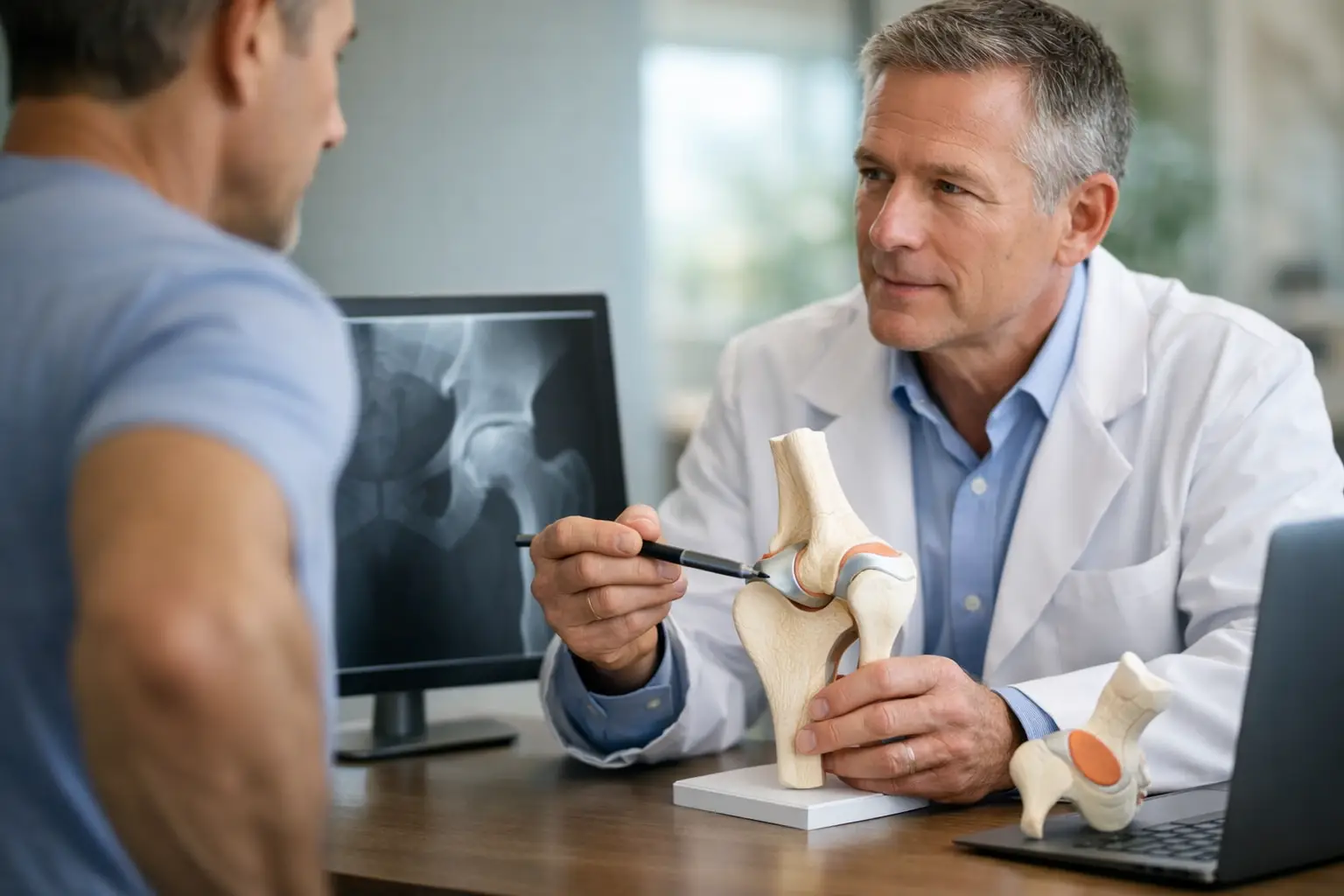
An MRI report that says “labral tear” can feel like an immediate answer, especially when pain has kept you out of a season, away from the gym, or unable to sleep comfortably. But the scan is only one part of the decision. A labral tear specialist second opinion can help determine whether the tear explains your symptoms, whether surgery is appropriate, and what recovery should realistically look like for your sport and daily life.
For an athlete, active adult, or parent of a young player, this is not about questioning every recommendation. It is about making a high-stakes decision with a clear diagnosis, a thoughtful plan, and confidence in the person guiding recovery.
When a Labral Tear Specialist Second Opinion Helps
A second opinion is particularly useful when the proposed treatment will affect months of training, school, work, or competition. It may also be valuable when pain has continued despite physical therapy, a prior injection, rest, or activity modification.
Labral injuries can occur in the shoulder or hip, but a scan alone does not always tell the full story. In the shoulder, a labral tear may be associated with a dislocation, repeated instability, a fall, throwing mechanics, or years of overhead activity. In the hip, labral damage may occur alongside impingement, changes in joint shape, or cartilage wear. The treatment plan should account for the entire joint, not just a phrase on an imaging report.
A specialist should connect the images with your symptoms and physical examination. For example, a tear seen on MRI may be clinically relevant in a young baseball player with deep shoulder pain while throwing, recurrent slipping, and loss of velocity. That same finding can be less clearly responsible for pain in someone with a different examination or another source of symptoms, such as rotator cuff irritation, neck-related pain, stiffness, or arthritis.
A second opinion can be especially helpful if:
- You have been told surgery is necessary but do not understand why.
- You have had more than one diagnosis or conflicting recommendations.
- Your shoulder continues to feel loose, unstable, painful, or weak after rehabilitation.
- You are a throwing athlete, contact athlete, or competitive player whose return-to-sport demands require a more sport-specific plan.
- You had a previous labral repair and still have pain, stiffness, instability, or trouble returning to activity.
The goal is not automatically to avoid surgery. It is to make sure surgery, if needed, addresses the problem most likely to limit your function and performance.
A Labral Tear Is Not One Diagnosis
“Labral tear” describes an injury to the ring of cartilage that helps deepen and stabilize a joint. In the shoulder, the location and pattern of the tear matter. A SLAP tear affects the upper part of the labrum near the biceps attachment. A Bankart tear usually involves the front-lower labrum and often occurs after a dislocation. Posterior labral tears, multidirectional instability, cartilage injury, bone loss, and rotator cuff conditions can change both the surgical recommendation and the recovery timeline.
Age, sport, injury history, and goals also matter. A first-time shoulder dislocation in a younger collision-sport athlete may carry a different risk of recurrence than a similar injury in an adult recreational athlete. An overhead athlete may need careful evaluation of throwing mechanics, shoulder motion, and the biceps-labrum complex before deciding on treatment. Someone whose main goal is lifting a child or returning to work may choose a different path than a college player hoping to compete at the next level.
This is why individualized care is essential. The right plan is not based solely on whether a tear exists. It depends on the tear pattern, joint stability, associated injuries, prior treatment, symptoms, and the activities you want to resume.
What a Thorough Second Opinion Should Include
An effective consultation begins with your story. How did the pain start? Was there a single traumatic event, a dislocation, a fall, or a gradual loss of comfort and performance? Does the joint catch, pop, feel unstable, or hurt only during certain motions? Have you changed how you throw, lift, reach, run, or sleep because of it?
The examination should assess range of motion, strength, stability, tenderness, and sport-specific symptoms. In a shoulder evaluation, this may include testing the rotator cuff, biceps, labrum, and joint stability. The specialist should also look beyond the labrum when necessary. A painful shoulder can have more than one contributing issue, and treating only the MRI finding may not fully resolve the problem.
Imaging should then be reviewed in context. Bring the actual MRI images when possible, not only the written report. X-rays may be needed to assess alignment, arthritis, prior injury, or bone changes after instability. In selected cases, additional imaging can clarify the extent of labral damage or related bone loss.
It is also reasonable to bring prior records, physical therapy notes, operative reports if you have had surgery, and a concise list of what treatments have or have not helped. These details prevent repetition and give the specialist a clearer view of your progress.
Deciding Between Nonsurgical Care and Surgery
Not every labral tear needs surgery. When there is no ongoing instability and symptoms are manageable, a focused rehabilitation program may improve strength, control, motion, and comfort. Physical therapy can be particularly useful for restoring rotator cuff and shoulder blade mechanics, addressing stiffness, and helping an athlete gradually return to activity. Anti-inflammatory strategies or an injection may be considered in some situations, depending on the diagnosis and overall health.
However, rehabilitation does not repair every type of structural injury. Recurrent dislocations, clear instability, persistent mechanical symptoms, failure of appropriate nonsurgical care, or sport demands may make surgery a more reasonable option. For certain tears, arthroscopic repair can restore stability and help protect the joint from repeated injury. The specific procedure may differ based on the location of the tear, tissue quality, biceps involvement, bone loss, and prior surgery.
A responsible second opinion should explain both sides of that decision. Nonsurgical treatment avoids surgical risk and may allow a quicker return to lower-demand activities, but it may not adequately address recurrent instability. Surgery can improve stability and function when properly indicated, yet it requires a structured recovery and patience with rehabilitation. There is no single timeline that fits every athlete.
Questions Worth Asking Before You Decide
A consultation should leave you with practical answers, not more uncertainty. Ask what part of the labrum is injured, whether the tear matches your pain and examination, and whether any additional conditions are affecting the joint. Ask what could happen if you delay surgery or choose therapy first.
If surgery is recommended, ask what procedure is proposed and why it fits your injury. Discuss the expected use of a sling or brace, when physical therapy begins, when driving and work may be possible, and how progression will be measured. Athletes should ask when sport-specific drills can start and what milestones must be met before full return to practice or competition.
It is also appropriate to ask about expected outcomes for someone with your sport, age, and level of play. No surgeon can promise a particular result or guarantee a return to a prior level of competition. A clear discussion of risk, recovery, and realistic expectations is a sign that the recommendation is being made with your long-term function in mind.
Choose Experience That Matches Your Goals
For labral injuries, especially in active patients, technical skill matters, but communication and follow-through matter as well. You should understand the diagnosis, know why a treatment is being recommended, and have a plan that accounts for school schedules, work demands, family responsibilities, and athletic goals.
Dr. Louis Rizio evaluates shoulder injuries with the perspective gained from more than two decades of caring for athletes at different ages and levels of competition. That includes looking beyond the immediate injury to the details that support a safe, efficient return to the activities that matter to you.
If a labral tear has interrupted your season or made ordinary movement uncertain, seek the clarity needed to make the next decision with confidence. The best path forward is the one that respects both the condition of your joint and the life you are working to get back to.
Leave a Reply